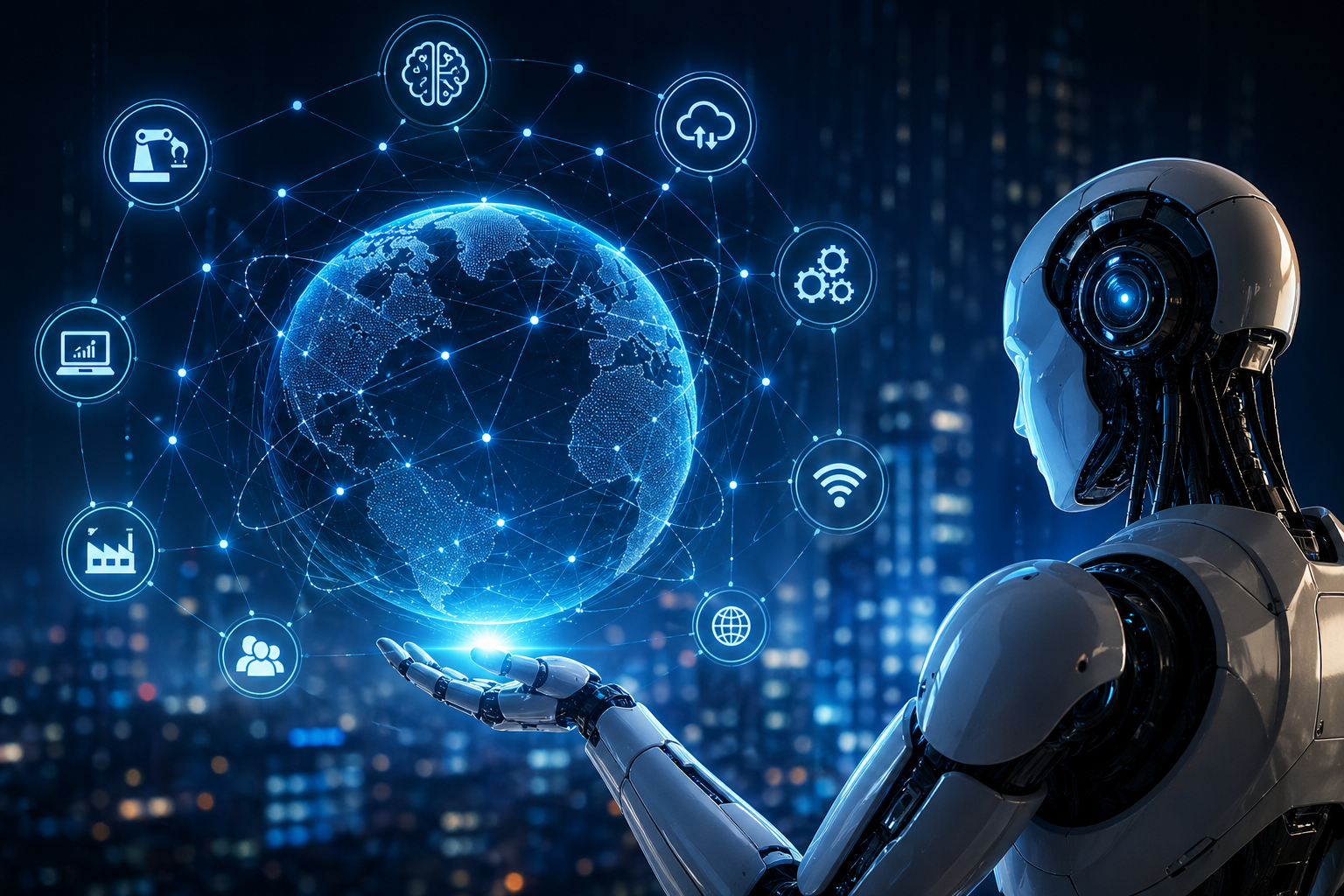
A few years ago, artificial intelligence felt like a shiny new gadget—something companies experimented with but rarely depended on. Fast forward to 2026, and the narrative has completely flipped. AI is no longer an optional upgrade; it’s the backbone of modern digital infrastructure. Businesses aren’t just testing AI tools anymore—they’re building entire ecosystems around them. This transition from experimentation to integration marks one of the most significant technological shifts of the decade.
Companies that once relied on human-heavy workflows are now embedding AI into their core operations. Think about customer service, content generation, data analytics—these are no longer manual tasks but automated pipelines powered by intelligent systems. According to recent data, 67% of companies now have AI automation in production, a massive jump from just 19% in 2024 . That’s not just growth—it’s a complete transformation of how businesses operate.
This shift also reflects a deeper truth: AI is becoming as essential as electricity or the internet. Organizations that delay adoption aren’t just falling behind—they’re becoming irrelevant. It’s like trying to run a modern business without a website in 2026. You simply can’t compete. The companies leading the charge are those treating AI not as a tool, but as infrastructure—something that powers everything behind the scenes.
Key Statistics Driving AI Growth
Numbers don’t lie, and the statistics surrounding AI in 2026 are nothing short of staggering. The global AI automation market has reached approximately $169 billion, with projections pointing toward over $1 trillion by 2033 . That kind of growth isn’t incremental—it’s explosive. It tells us that AI isn’t just a trend; it’s a full-scale economic revolution.
Even more compelling is adoption. Around 88% of organizations now use AI in at least one business function, compared to just over half a few years ago . That means AI is no longer limited to tech giants—it’s everywhere, from small startups to global enterprises. And here’s the kicker: 84% of companies report a positive return on investment from AI initiatives .
Cost efficiency is another game-changer. AI-driven interactions cost significantly less than human-led processes, sometimes reducing expenses by up to 90%. That’s why businesses are racing to automate—because it’s not just about innovation; it’s about survival. When your competitor can serve customers faster, cheaper, and more accurately, standing still is not an option.
What Is Intelligent Automation?
Core Components of Intelligent Automation
So, what exactly is intelligent automation? At its core, it’s the fusion of artificial intelligence, machine learning, and robotic process automation (RPA). But that definition barely scratches the surface. Intelligent automation isn’t just about replacing repetitive tasks—it’s about creating systems that can think, learn, and adapt.
Imagine a system that doesn’t just follow instructions but improves over time. That’s the essence of intelligent automation. It combines data analysis, decision-making algorithms, and execution capabilities into one seamless workflow. These systems can handle everything from customer queries to complex financial forecasting without constant human intervention.
The beauty of intelligent automation lies in its scalability. Once deployed, it can operate 24/7, handle massive workloads, and continuously refine its performance. It’s like having an employee who never sleeps, never gets tired, and gets smarter every day. No wonder businesses are investing heavily in it.
Difference Between Automation and AI Automation
Traditional automation is rule-based. It follows predefined instructions and works well for repetitive, predictable tasks. But it struggles when things get complicated or unpredictable. That’s where AI-powered automation steps in.
AI automation doesn’t just follow rules—it creates them. It can analyze data, identify patterns, and make decisions in real time. For example, a traditional system might route customer inquiries based on keywords, while an AI system understands context, sentiment, and intent.
This shift is crucial because real-world problems are rarely predictable. Businesses need systems that can adapt, not just execute. That’s why AI automation is rapidly replacing traditional automation across industries. It’s not just smarter—it’s more human-like in its ability to handle complexity.
The Shift from Tools to Workflows
AI Agents and Autonomous Systems
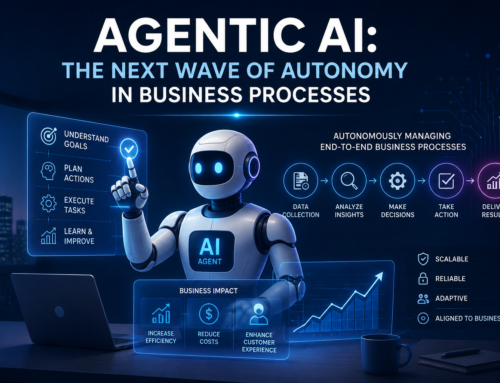
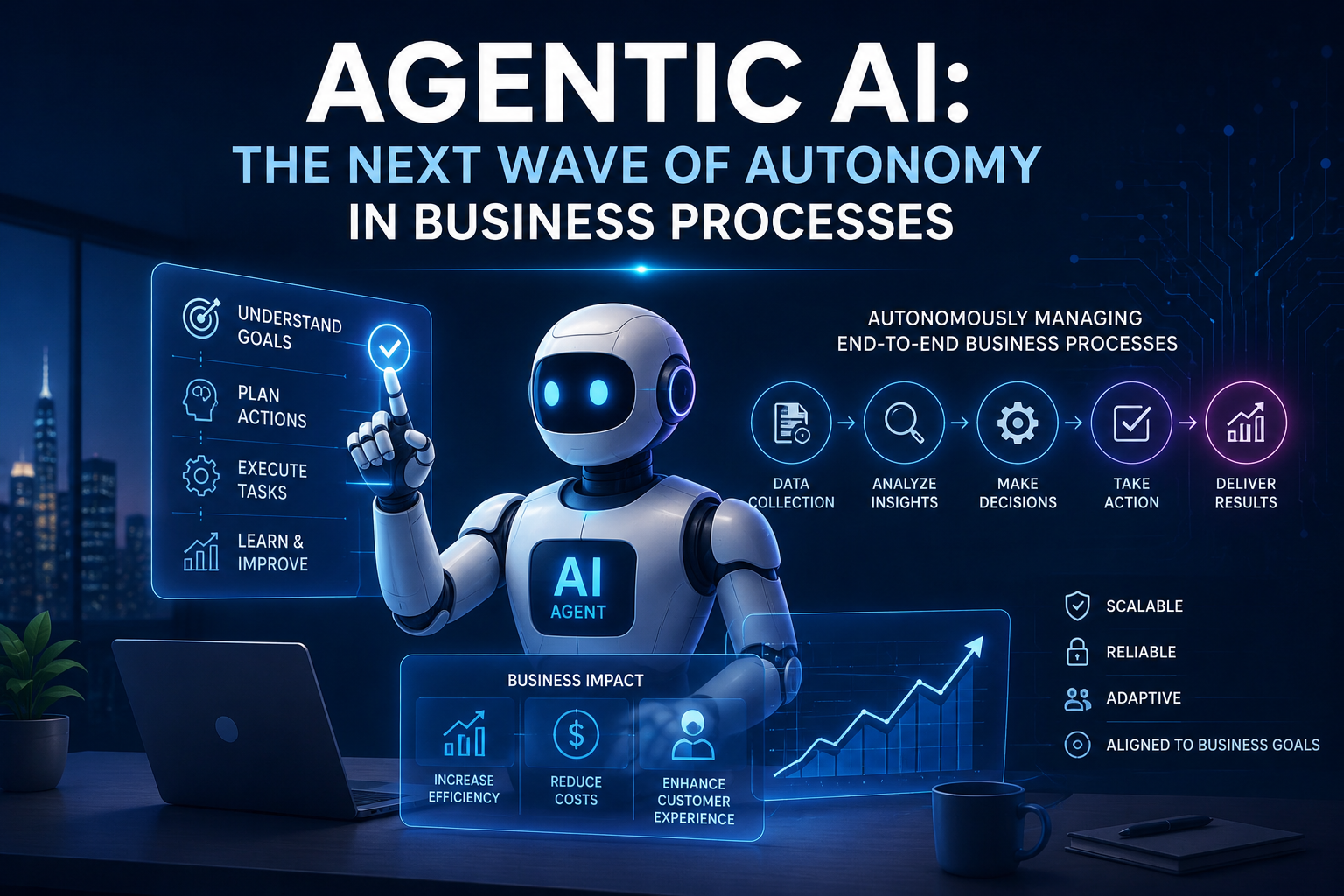
One of the most exciting developments in 2026 is the rise of AI agents. These aren’t just passive tools waiting for commands—they’re active participants in workflows. They can initiate tasks, make decisions, and even collaborate with other systems.
Think of AI agents as digital employees. They can manage emails, schedule meetings, analyze data, and execute multi-step processes without human input. This level of autonomy is transforming how work gets done. Instead of juggling multiple tools, businesses are deploying systems that handle entire workflows from start to finish.
Workflow Orchestration Explained
Workflow orchestration is where the magic happens. It’s the process of connecting different tasks and systems into a cohesive, automated pipeline. Instead of automating individual tasks, businesses are now automating entire processes.
This shift is significant because it eliminates bottlenecks and inefficiencies. When everything is connected, data flows seamlessly, decisions are made faster, and outcomes improve. Companies that adopt workflow orchestration report productivity gains of up to 40–60% .
AI in Business Operations
Customer Support Automation
Customer support has undergone a radical transformation thanks to AI. Chatbots and virtual assistants are now capable of handling complex queries, resolving issues, and even predicting customer needs. By 2029, AI agents are expected to handle up to 80% of customer interactions .
This doesn’t just improve efficiency—it enhances the customer experience. Faster responses, personalized interactions, and 24/7 availability are becoming the norm. Businesses that fail to adopt AI in customer support risk losing customers to more responsive competitors.
AI in Data Processing and Decision Making
Data is the new oil, but AI is the refinery. Without AI, data is just noise. With AI, it becomes actionable insight. Businesses are using AI to analyze massive datasets, identify trends, and make informed decisions.
From financial forecasting to supply chain optimization, AI is transforming decision-making processes. It reduces human error, speeds up analysis, and provides insights that would be impossible to uncover manually.
AI in Everyday Life
Smart Homes and Personal Assistants
AI isn’t just transforming businesses—it’s reshaping everyday life. Smart homes powered by AI can adjust lighting, control temperature, and even manage security systems. Personal assistants are becoming more intuitive, understanding context and preferences like never before.
AI in Healthcare and Education
In healthcare, AI is revolutionizing diagnostics, treatment planning, and patient care. In education, it’s enabling personalized learning experiences tailored to individual needs. These advancements are improving outcomes and making services more accessible.
The Economic Impact of AI Automation
Market Growth and Investment Trends
The economic impact of AI is massive. With billions of dollars being invested annually, AI is driving innovation across industries. Generative AI alone could add $4.4 trillion annually to the global economy .
Job Creation vs Job Displacement
AI is a double-edged sword. While it creates new opportunities, it also disrupts existing jobs. Reports suggest that 85 million jobs could be displaced by AI by the end of 2026, but millions of new roles will emerge .
Challenges of AI Adoption
Skill Gap and Workforce Readiness
One of the biggest challenges is the skill gap. Many workers aren’t prepared for the AI-driven future, leading to concerns about job security and economic inequality. Recent reports highlight that the real issue isn’t automation—it’s the lack of readiness.
Trust, Ethics, and Governance
Trust is another major hurdle. Businesses are cautious about fully autonomous AI systems, with only a small percentage willing to rely on AI without human oversight. Governance, transparency, and accountability are critical for widespread adoption.
The Role of AI in Future Technologies
AI and the Internet of Things (IoT)
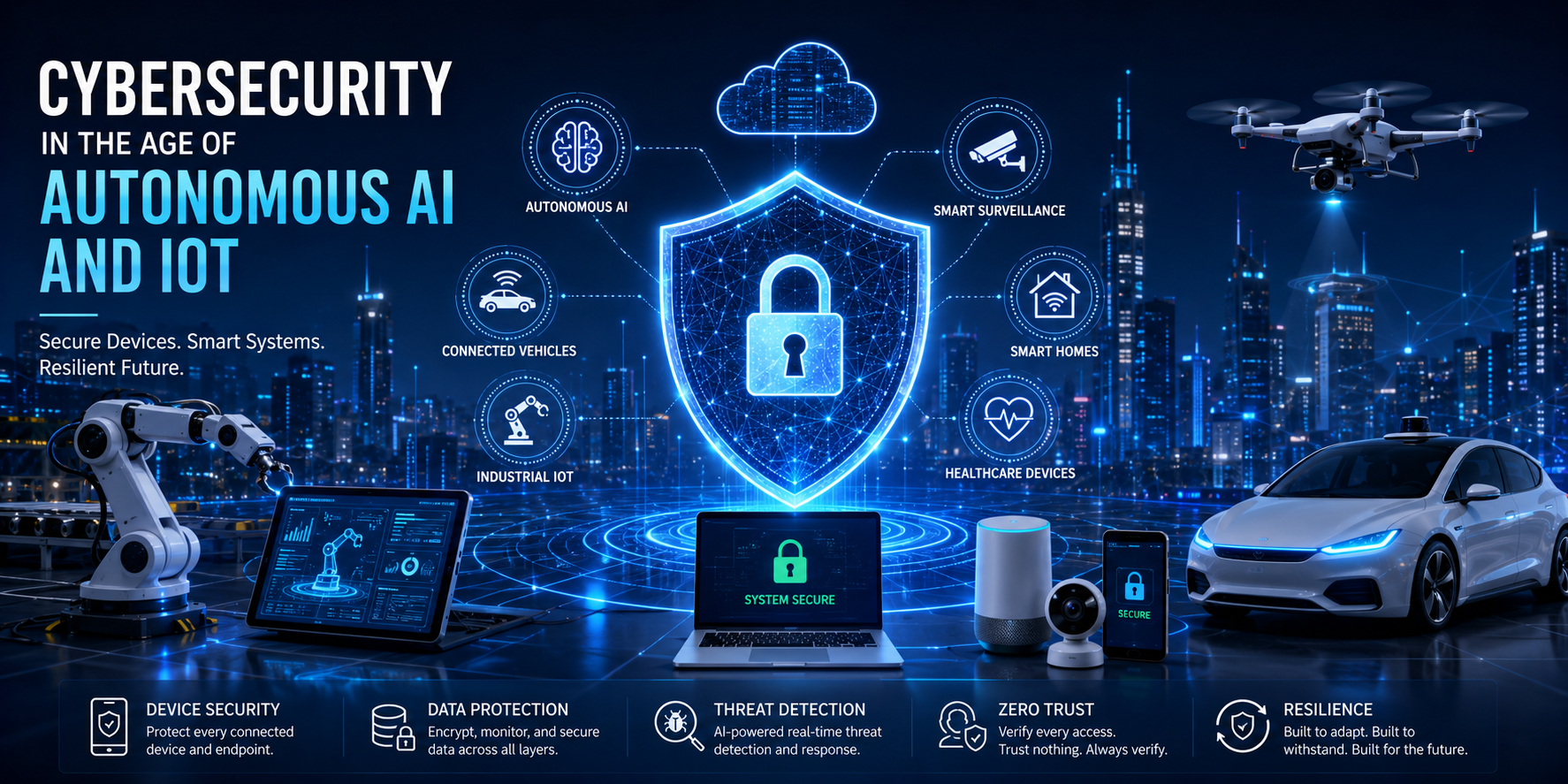
AI and IoT are a powerful combination. Together, they enable smarter devices, predictive maintenance, and real-time analytics. This synergy is driving innovation in industries like manufacturing and logistics.
AI in Cybersecurity
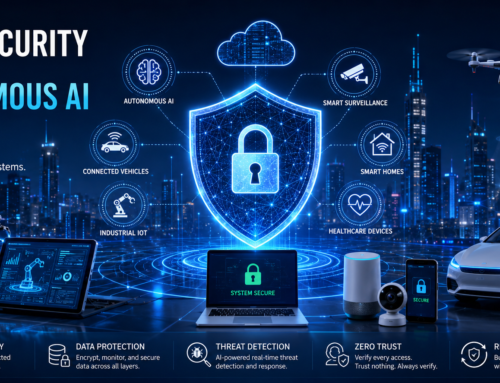
Cybersecurity is another area where AI is making a significant impact. AI systems can detect threats, analyze patterns, and respond to attacks faster than human analysts. This is crucial in an era of increasing cyber threats.
Human-AI Collaboration
Human-in-the-Loop Systems
Despite the rise of automation, humans remain essential. Many systems operate on a “human-in-the-loop” model, where AI handles routine tasks while humans oversee critical decisions.
Augmentation vs Replacement
The goal isn’t to replace humans but to augment them. AI enhances human capabilities, allowing people to focus on creative and strategic tasks. It’s a partnership, not a competition.
The Future Outlook of AI Automation
Predictions for 2030 and Beyond
Looking ahead, AI will become even more integrated into our lives. From autonomous vehicles to advanced robotics, the possibilities are endless. The next decade will likely see AI surpass human capabilities in many areas.
How Businesses Can Prepare
To stay competitive, businesses must embrace AI, invest in training, and adopt a forward-thinking mindset. The future belongs to those who can adapt and innovate.
Conclusion
AI-powered automation is no longer a futuristic concept—it’s the reality of 2026. From business operations to everyday life, intelligent systems are transforming how we work, live, and interact with technology. The shift from tools to workflows, the rise of AI agents, and the integration of AI into infrastructure all point to one thing: we are entering a new era of digital transformation.
The challenge now isn’t whether to adopt AI—it’s how quickly and effectively you can do it. Because in a world where everything is becoming AI-powered, staying still is the fastest way to fall behind.
FAQs
1. What is intelligent automation in simple terms?
Intelligent automation combines AI and automation to create systems that can think, learn, and perform tasks without human intervention.
2. How is AI changing businesses in 2026?
AI is automating workflows, improving efficiency, reducing costs, and enabling data-driven decision-making.
3. Will AI replace human jobs completely?
No, AI will replace some jobs but also create new opportunities, especially in tech and AI-related fields.
4. What industries benefit the most from AI automation?
Healthcare, finance, retail, manufacturing, and customer service are among the biggest beneficiaries.
5. How can businesses prepare for AI adoption?
By investing in training, adopting AI tools, and integrating automation into their workflows.

Leave A Comment