
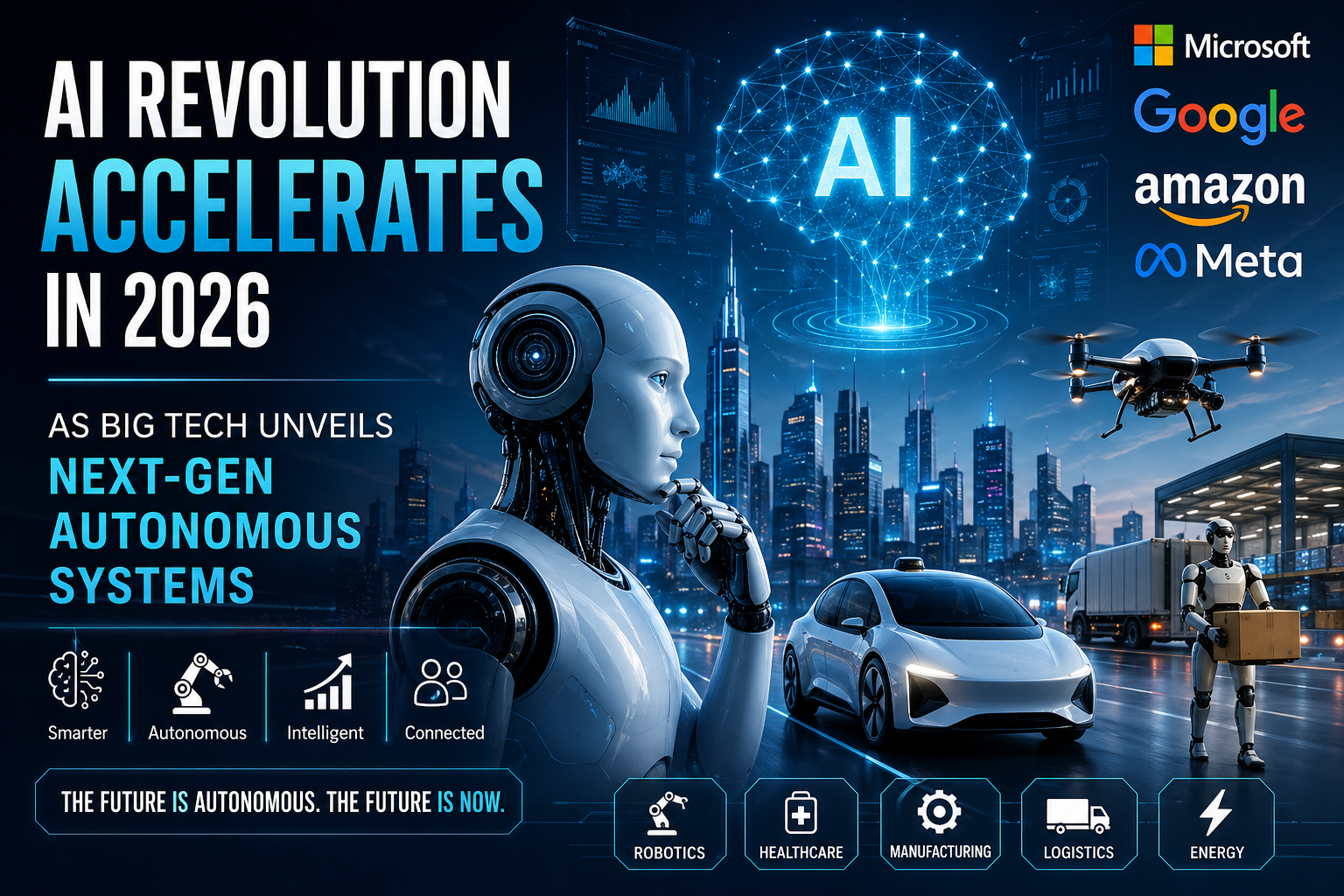
If you’ve been following tech trends over the last few years, you probably noticed something interesting: AI has quietly shifted from flashy demos to deeply embedded infrastructure. In 2023, AI felt like a spectacle—chatbots, image generators, and viral tools. Fast forward to 2026, and it’s more like electricity: always there, powering everything behind the scenes. According to industry insights, AI is no longer defined by “big models” but by how seamlessly it integrates into decision-making systems and workflows.
This shift is massive. Think about it—when a technology becomes invisible, it becomes essential. Businesses are no longer asking, “Should we use AI?” Instead, they’re asking, “How do we run without it?” AI is now embedded in supply chains, customer service, cybersecurity, and even strategic planning. It’s the operating system of modern enterprises.
And here’s where it gets interesting: this transformation is happening globally and simultaneously. Countries, corporations, and startups are racing to build AI ecosystems, not just tools. The result? A competitive environment where speed, scalability, and autonomy matter more than ever.
Why 2026 Is a Turning Year
April 2026 has been described as a “critical inflection point” in AI history, where the technology transitions from experimental innovation to essential infrastructure. This isn’t just hype—it’s backed by real-world deployments across industries. From autonomous robots running industrial operations to AI systems managing entire business workflows, the shift is undeniable.
So why now? Because multiple technologies have matured at the same time. Computing power has scaled, data availability has exploded, and algorithms have become more efficient. When these elements converge, breakthroughs happen. It’s like building a car—once you have the engine, fuel, and wheels ready, movement becomes inevitable.
Another factor is economic pressure. Companies are under constant demand to reduce costs and increase efficiency. Autonomous AI systems offer exactly that: they don’t sleep, they don’t make emotional decisions, and they scale instantly. In a competitive global market, that’s not just an advantage—it’s survival.
Rise of Autonomous Systems
What Are Autonomous AI Systems?
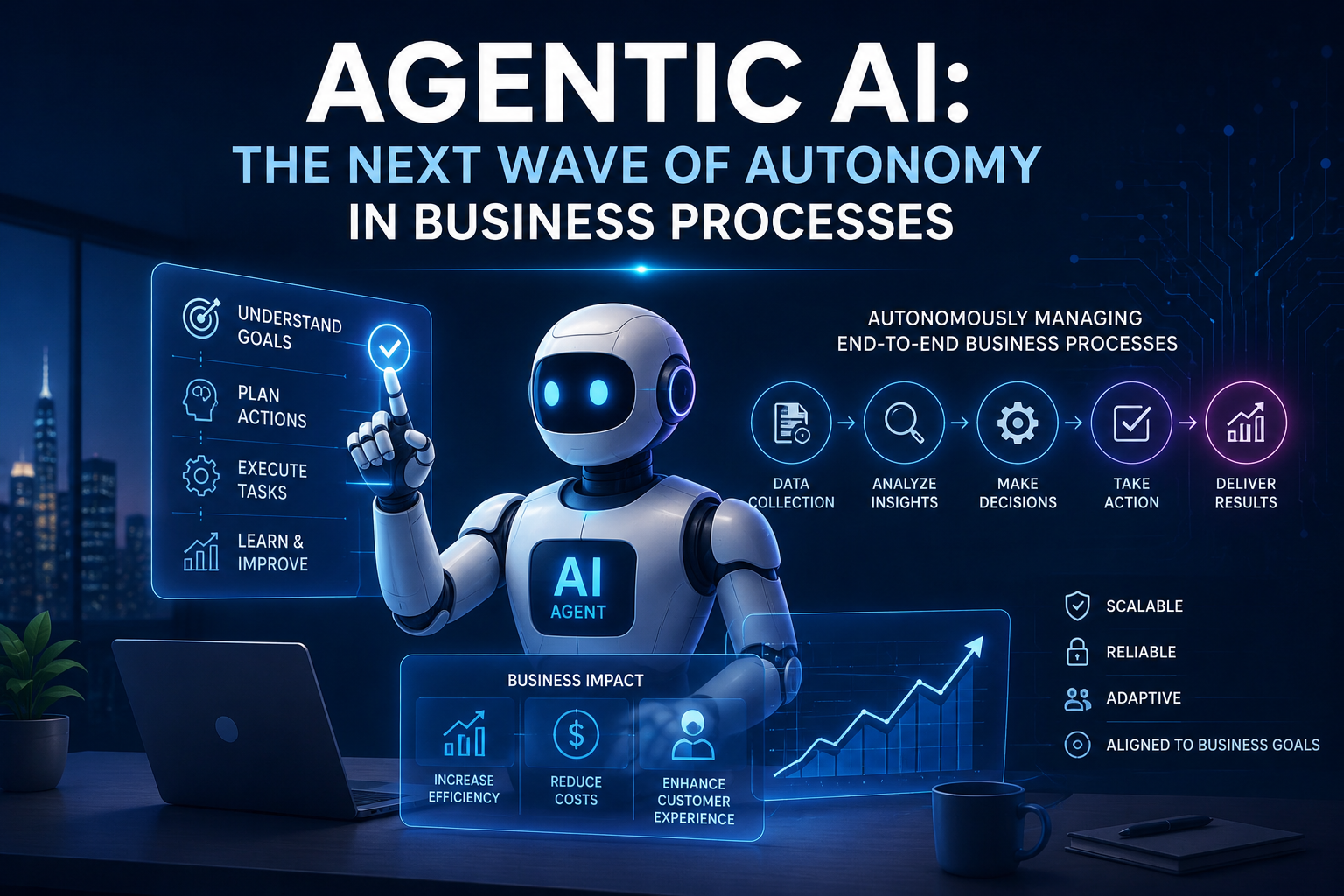
Let’s simplify this. Traditional AI helps you do things. Autonomous AI does things for you. That’s the key difference. These systems don’t just respond to commands—they plan, execute, and adapt independently.
Imagine a digital employee that can analyze data, make decisions, and take action without constant supervision. That’s what autonomous systems look like in 2026. They operate across multiple steps, handling complex workflows from start to finish.
This concept is often referred to as “agentic AI,” where AI behaves more like an agent than a tool. It can set goals, evaluate outcomes, and improve over time. This isn’t science fiction anymore—it’s already being deployed in enterprises worldwide.
Evolution from Automation to Autonomy
A few years ago, automation meant rigid scripts. If X happens, do Y. Simple, predictable, and limited. But today’s AI systems are fundamentally different. They learn, adapt, and make decisions in uncertain environments.
By 2026, automation has evolved into full autonomy, where systems can operate with minimal human intervention. This shift is comparable to moving from calculators to self-driving cars. One assists; the other replaces entire processes.
What’s driving this evolution? Advanced machine learning models, real-time data processing, and improved decision-making algorithms. Together, they create systems that can handle complexity at scale.
Big Tech’s Role in the AI Boom
Dominance of Tech Giants
Let’s be honest—Big Tech is running the show. Companies like Amazon, Google, Microsoft, and Meta control a significant portion of global AI infrastructure. In fact, around 70% of global AI computing capacity is concentrated among a handful of major players.
This concentration gives them enormous influence. They control the data, the compute power, and the platforms where AI operates. It’s like owning the highways in a world where everyone needs to travel.
But this dominance also raises concerns. Are we becoming too dependent on a few companies? What happens if access to AI becomes restricted or expensive? These are questions regulators are actively trying to address.
Massive Investments in AI Infrastructure
Big Tech isn’t slowing down. Investments in AI infrastructure are skyrocketing, with billions being poured into data centers, chips, and robotics. For example, SoftBank is launching a new robotics-focused AI venture aimed at automating infrastructure development itself.
Yes, you read that right—AI building AI infrastructure. That’s the level of recursion we’re entering.
These investments are not just about innovation—they’re about control. Whoever owns the infrastructure owns the future of AI. And right now, that race is intensifying.
Breakthrough Technologies Powering AI
Agentic AI Systems
Agentic AI is the backbone of autonomous systems. These are AI agents that can independently manage tasks, make decisions, and optimize outcomes. They’re like digital managers overseeing operations.
In 2026, agentic AI is becoming the “continuity manager” for businesses, ensuring operations run smoothly even in unpredictable conditions.
Think of it as having a team of tireless assistants working 24/7, each specializing in different tasks.
Neuromorphic Computing
Traditional computing is hitting its limits, especially when it comes to energy efficiency. That’s where neuromorphic computing comes in. These chips mimic the human brain, processing information in parallel and using significantly less power.
This innovation is crucial because AI systems are becoming increasingly resource-intensive. Without more efficient hardware, scaling AI would become unsustainable.
Edge AI and Real-Time Intelligence
Another major breakthrough is edge AI, where processing happens closer to the data source instead of centralized servers. This enables real-time decision-making, which is critical for applications like autonomous vehicles and robotics.
Edge AI reduces latency, improves reliability, and enhances privacy. It’s a game-changer for industries that require instant responses.
AI Meets Robotics
Autonomous Robots in Industry
Robotics is where AI truly comes to life. In 2026, autonomous robots are being deployed across industries, from manufacturing to offshore energy operations. These robots can operate continuously, reducing the need for human labor and increasing efficiency.
For example, new AI-powered robots are replacing expensive offshore vessels, potentially saving up to $100,000 per day in operational costs.
That’s not just innovation—that’s disruption.
Humanoid Robots Enter the Mainstream
Humanoid robots are no longer experimental prototypes. In 2026, they are being tested in real-world scenarios, including competitions and industrial applications.
More than 300 humanoid robots recently participated in a large-scale event, showcasing significant advancements in mobility and adaptability.
We’re moving toward a future where robots don’t just assist humans—they collaborate with them.
Real-World Applications Across Industries
Healthcare and Medicine
AI is revolutionizing healthcare by enabling faster diagnoses, personalized treatments, and predictive analytics. Autonomous systems can analyze medical data at a scale that humans simply can’t match.
This leads to better outcomes, reduced costs, and improved patient experiences.
Manufacturing and Logistics
In manufacturing, AI-driven systems are optimizing production lines, reducing waste, and improving quality control. In logistics, autonomous systems are managing supply chains, predicting demand, and optimizing routes.
The result? Faster delivery times and lower operational costs.
Energy and Infrastructure
AI is also transforming energy and infrastructure. From smart grids to predictive maintenance, autonomous systems are making these sectors more efficient and resilient.
Economic Impact of AI Autonomy
Productivity Gains and Cost Reductions
One of the biggest benefits of AI is increased productivity. Companies are seeing significant cost reductions and efficiency gains by adopting autonomous systems.
In some cases, operational costs have been reduced by up to 50%, highlighting the economic potential of AI.
Job Disruption vs Job Creation
Of course, this transformation comes with challenges. AI is expected to disrupt millions of jobs, particularly in repetitive and routine tasks.
At the same time, new roles are emerging in AI development, management, and oversight. The key is adaptation.
Challenges and Risks
Ethical Concerns and Bias
AI systems are not perfect. They can inherit biases from data, leading to unfair outcomes. Addressing these issues is critical for building trust.
AI Regulation and Global Tensions
Governments are scrambling to regulate AI, with new laws targeting big tech and AI services.
At the same time, geopolitical tensions are rising, as countries compete for AI dominance.
The Future of Human-AI Collaboration
AI as a Digital Workforce
AI is becoming a digital workforce, capable of handling complex tasks independently. This changes how businesses operate and how people work.
Redefining Skills in the AI Era
The skills required in the workforce are evolving. Creativity, critical thinking, and adaptability are becoming more valuable than routine tasks.
What Lies Ahead Beyond 2026
The trajectory is clear: AI will continue to evolve, becoming more autonomous, more integrated, and more essential. The question isn’t whether AI will transform the world—it’s how fast.
Conclusion
The AI revolution in 2026 isn’t just accelerating—it’s redefining the foundation of modern society. Autonomous systems are moving from experimental labs into real-world operations, reshaping industries, economies, and daily life. Big Tech is leading the charge, but governments, startups, and global institutions are all part of the race. As AI becomes more capable and independent, the focus shifts from innovation to responsibility. The future will belong to those who can balance technological advancement with ethical considerations, ensuring that AI benefits everyone.



Leave A Comment