
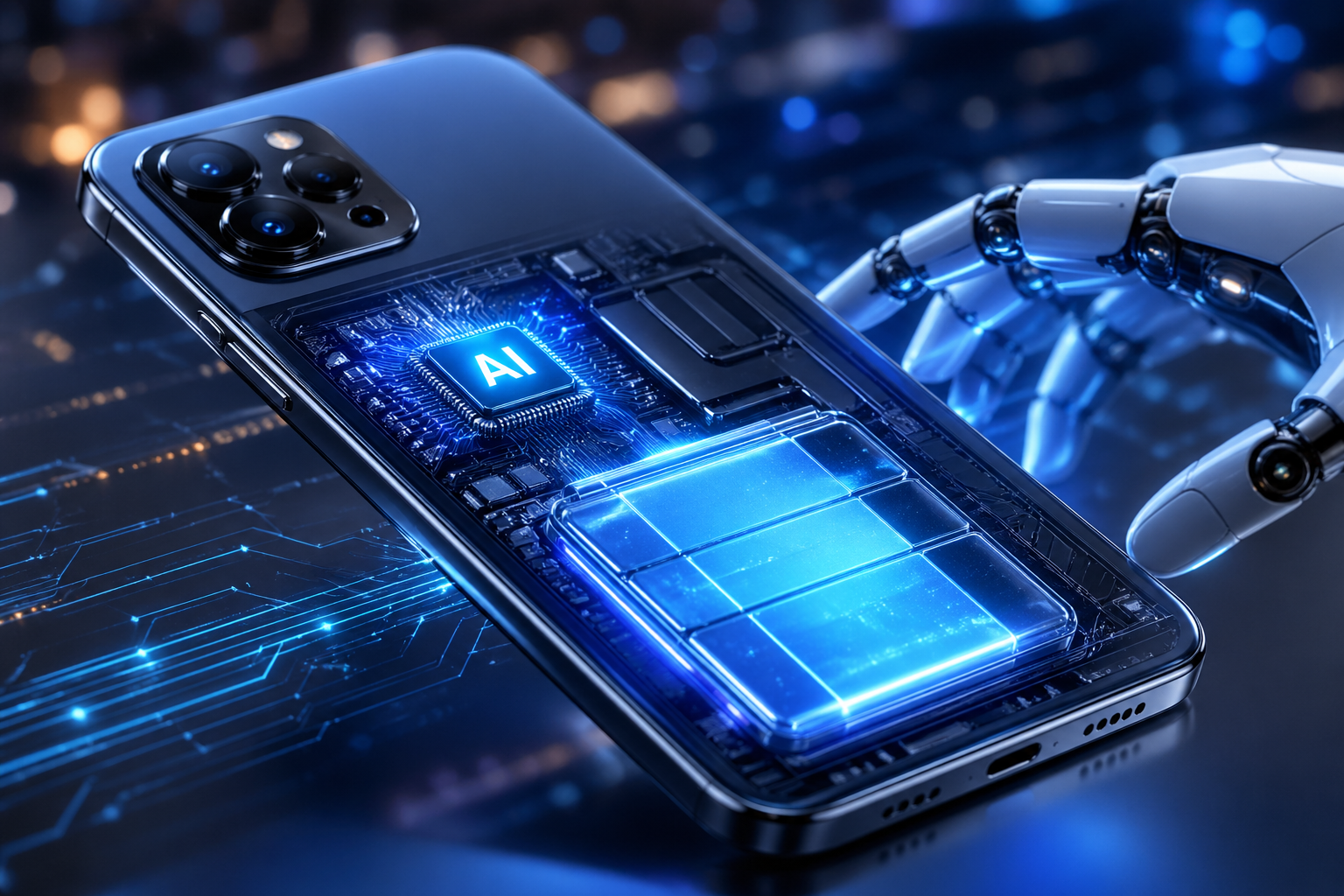
If you rewind just a few years, smartphone innovation was all about bigger cameras, faster processors, and sleeker designs. Brands competed on megapixels and benchmark scores like athletes chasing medals. But in 2026, that narrative has flipped completely. The spotlight has shifted from raw hardware to something far more transformative—artificial intelligence embedded deeply into the device ecosystem.
Recent industry analysis shows that AI is now the primary differentiator in smartphones, overtaking traditional hardware upgrades. Manufacturers are no longer just selling phones; they’re selling intelligent companions that learn, adapt, and anticipate user needs. It’s like moving from a basic calculator to a personal assistant that understands your habits, predicts your next move, and optimizes itself continuously.
What’s interesting is how quietly this transition happened. While marketing still highlights cameras and displays, the real innovation is happening under the hood—in neural processing units (NPUs) and AI-driven software layers. These systems handle everything from real-time translation to predictive notifications, making smartphones feel less like tools and more like extensions of human cognition.
Why 2026 Is a Turning Point
The year 2026 isn’t just another iteration in smartphone evolution—it’s a fundamental inflection point. Events like Mobile World Congress (MWC) 2026 showcased devices that are no longer passive gadgets but active participants in daily life.
At MWC, companies introduced concepts like “robot phones”—devices capable of physical interaction and autonomous decision-making. That might sound futuristic, but it’s already happening. AI-powered smartphones can now perform multi-step tasks across apps without user input, such as booking rides, managing schedules, and even editing content automatically.
This shift signals something bigger: smartphones are evolving into AI-first platforms, where intelligence isn’t an add-on—it’s the core architecture. And once that happens, everything else—battery, performance, design—starts revolving around AI efficiency.
AI Is Now the Brain of Smartphones
On-Device AI vs Cloud AI
One of the biggest breakthroughs in next-gen smartphones is the transition to on-device AI processing. Instead of relying heavily on cloud servers, modern devices use dedicated NPUs to handle tasks locally.
Why does this matter? Three reasons:
- Speed: No latency from server communication
- Privacy: Data stays on your device
- Efficiency: Reduced power consumption from constant connectivity
Imagine editing a video or translating speech in real time without needing internet access. That’s not just convenience—it’s a paradigm shift.
Rise of AI Agents and Automation
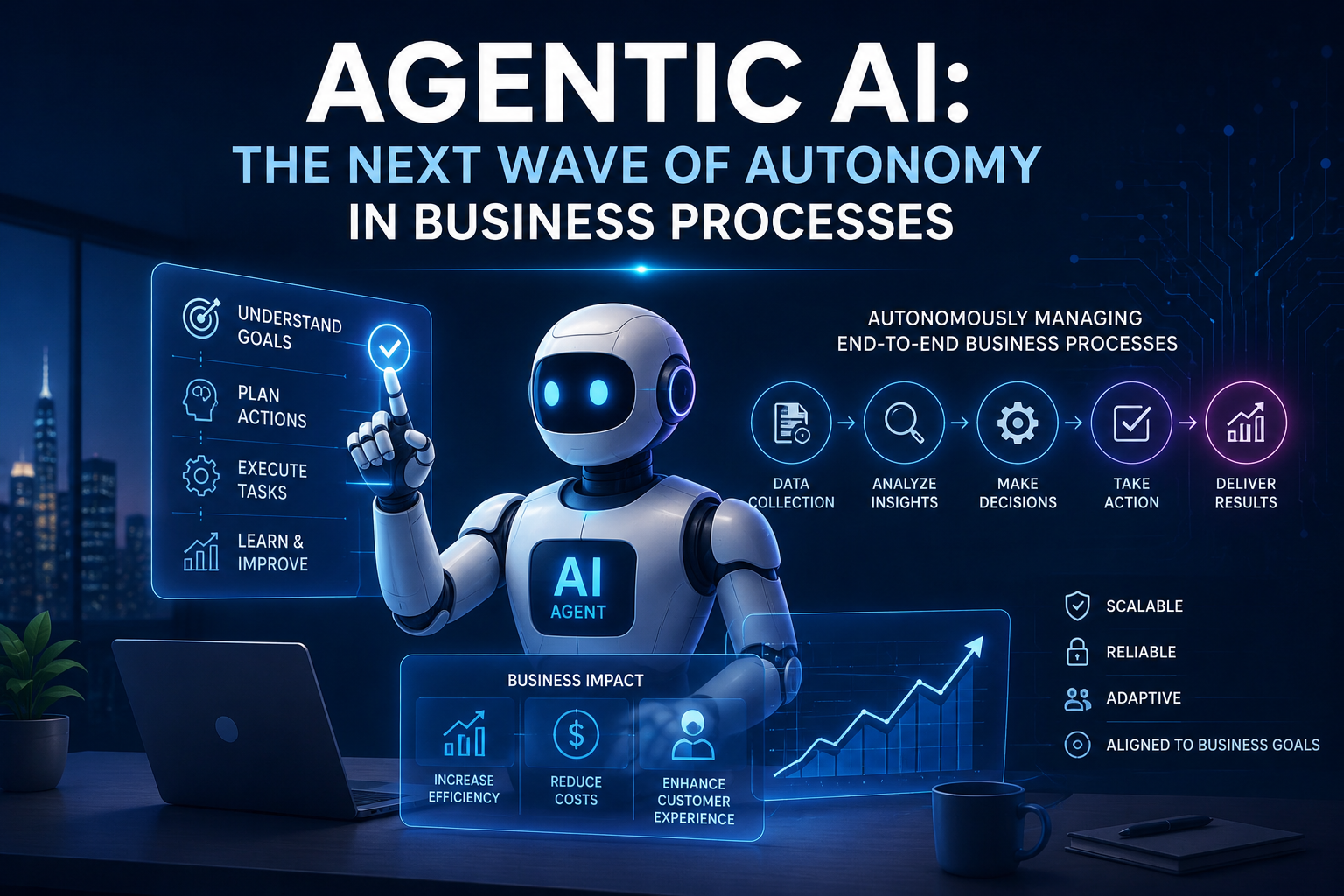
Another game-changing trend is the emergence of AI agents—systems that don’t just respond to commands but proactively act on your behalf. According to recent trends, these agents can execute complex, multi-step tasks across apps seamlessly.
Think of it like having a digital concierge in your pocket. You don’t just ask your phone to set reminders—you ask it to plan your day, and it figures out the rest. This includes scheduling meetings, suggesting routes, and even drafting emails based on context.
Real-World AI Features Changing User Experience
Smart Assistants and Predictive Actions
Modern smartphones are becoming predictive rather than reactive. AI assistants now analyze usage patterns to anticipate needs before you even think about them.
For example:
- Your phone suggests replies based on conversation context
- It opens apps you’re likely to use at certain times
- It adjusts settings automatically based on location and habits
This creates a frictionless experience where your device feels almost intuitive.
AI in Photography and Video
Camera innovation hasn’t stopped—it’s just been redefined. Instead of relying solely on hardware, smartphones now use AI to enhance images in real time.
A recent launch highlighted AI Image-to-Video technology, allowing users to generate dynamic content from static images. This goes beyond filters—it’s generative media creation powered by multimodal AI.
AI for Productivity and Daily Tasks
AI is also transforming productivity. From summarizing documents to automating workflows, smartphones are becoming powerful productivity hubs.
You can now:
- Convert voice notes into structured text
- Generate reports instantly
- Automate repetitive tasks
It’s like carrying a mini office that works smarter than you do.
Breakthrough Battery Technologies in 2026
Silicon-Carbon Batteries Explained
Battery technology has finally caught up with AI demands. One of the biggest innovations is silicon-carbon batteries, which offer higher energy density compared to traditional lithium-ion.
These batteries can store more power without increasing size, making them ideal for AI-heavy smartphones.
Massive Battery Capacity Expansion
We’re seeing a significant jump in battery capacity. Some devices now feature 7000mAh to 8500mAh batteries, a massive leap from the standard 5000mAh.
Real-world examples confirm this trend, with new smartphones launching with 7000mAh batteries and fast charging capabilities.
AI-Powered Battery Optimization
Here’s the twist: bigger batteries aren’t the only solution. AI is being used to optimize power consumption dynamically.
Modern smartphones:
- Pause background apps intelligently
- Prioritize active tasks
- Learn user behavior to conserve energy
This means even moderate battery sizes can outperform larger ones when optimized properly.
Fast Charging and Energy Efficiency Innovations
Ultra-Fast Charging Speeds
Charging technology is advancing rapidly. Many smartphones now support 80W or higher fast charging, delivering hours of usage in minutes.
Smart Charging for Battery Longevity
AI-driven charging systems analyze your daily routine and adjust charging cycles accordingly. This prevents overcharging and extends battery lifespan.
Think of it as a smart fuel system that knows exactly when and how much to refuel.
New Smartphone Launches Leading the Trend
Flagship Devices with 7000mAh+ Batteries
Recent launches showcase the industry’s direction—bigger batteries combined with smarter energy management. Devices like the latest flagship series are pushing boundaries with both capacity and efficiency.
AI-Powered Features in Latest Releases
New smartphones are integrating features like:
- AI-generated video content
- Autonomous task execution
- Advanced personalization
These aren’t experimental—they’re becoming standard.
Sustainability and Eco-Friendly Innovations
Green Battery Technology
Sustainability is no longer optional. Manufacturers are focusing on eco-friendly materials and energy-efficient batteries.
Energy-Efficient AI Systems
AI itself is being optimized to consume less power, ensuring that innovation doesn’t come at the cost of environmental impact.
Challenges and Limitations of AI Smartphones
Complexity vs Simplicity Debate
Despite all the advancements, there’s a growing concern: are smartphones becoming too complex?


Recent reports highlight that excessive AI features can overwhelm users, creating confusion instead of convenience.
Battery Drain Concerns
AI features demand power, and without proper optimization, they can drain batteries quickly. This makes efficiency just as important as capacity.
What Consumers Should Expect Next
Future of AI-First Smartphones
The future is clear: smartphones will become AI-first ecosystems. Devices will not just respond—they will think, learn, and act independently.
The Road to Autonomous Devices
We’re heading toward a world where smartphones function as autonomous digital agents, handling tasks with minimal human input.
Imagine waking up to a phone that has already:
- Organized your schedule
- Responded to emails
- Optimized your day
That future is closer than you think.
Conclusion
Next-generation smartphones are redefining what it means to own a mobile device. The combination of advanced AI capabilities and breakthrough battery technologies is creating a new category of intelligent, long-lasting, and highly personalized devices. Instead of incremental upgrades, we’re witnessing a transformation that touches every aspect of the user experience—from how phones think to how long they last.
The real story isn’t just about smarter features or bigger batteries—it’s about how seamlessly technology integrates into everyday life. As AI continues to evolve and battery innovations push boundaries, smartphones will become less like gadgets and more like indispensable companions.
FAQs
1. What makes next-gen smartphones different from older models?
Next-gen smartphones focus heavily on AI integration and battery efficiency rather than just hardware upgrades, offering smarter and more personalized experiences.
2. Are AI smartphones safe for privacy?
Yes, many modern devices use on-device AI processing, which keeps data local and reduces reliance on cloud servers.
3. How long do new smartphone batteries last?
With capacities reaching 7000mAh to 8500mAh, many phones can last 1–2 days on a single charge, depending on usage.
4. What is silicon-carbon battery technology?
It’s an advanced battery design that increases energy density, allowing longer battery life without increasing size.
5. Will AI replace traditional smartphone features?
Not replace—but enhance. AI works alongside traditional features to make smartphones more intuitive, efficient, and powerful.




Leave A Comment