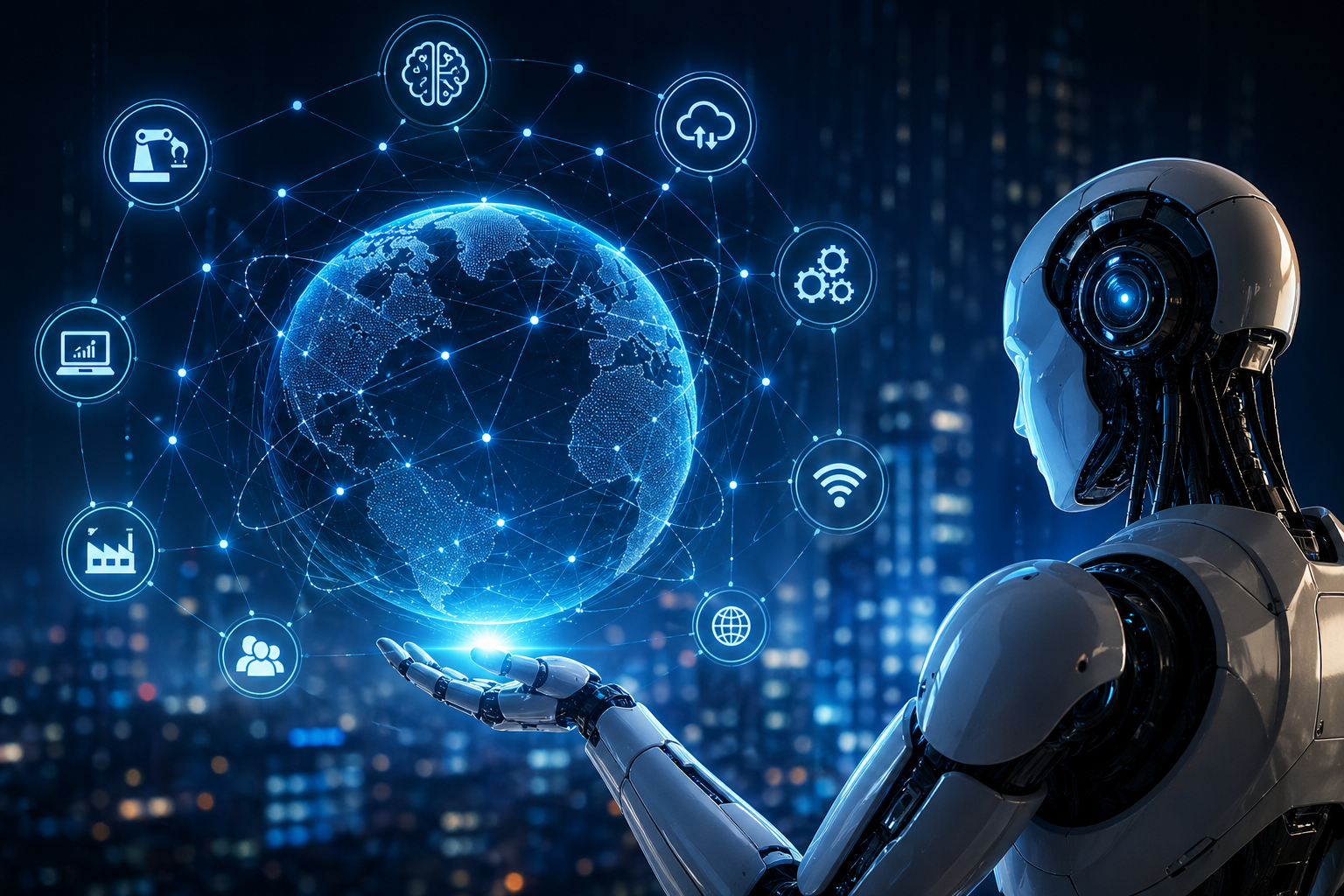
If you’ve been hearing about artificial intelligence for years, you might think, “What’s different now?” Well, 2026 isn’t just another step forward—it’s a leap. Industry analysts and research firms confirm that AI is no longer sitting in labs or powering only chatbots; it’s actively reshaping industries and everyday life at scale. According to recent insights, AI innovation is accelerating faster than ever, with breakthroughs emerging in a single year that previously took decades .
This year marks the transition from experimentation to real-world deployment. Instead of flashy demos, companies are building systems that actually work in homes, offices, hospitals, and cities. Think of AI not as a tool you open on your phone, but as something embedded everywhere—like electricity. That’s the real shift happening right now.
What makes 2026 unique is the convergence of multiple technologies: better hardware, smarter algorithms, and lower costs. When all these elements collide, you don’t just get improvement—you get transformation. It’s like upgrading from a bicycle to a high-speed train overnight.
From Hype to Practical Impact
For years, AI was surrounded by hype. Big promises, impressive demos—but limited real-world impact. That’s changing fast. Experts now describe 2026 as the year AI becomes practical and usable, shifting focus from massive models to systems that actually fit into daily workflows .
Instead of asking, “Can AI do this?” the question has become, “How can AI make this better right now?” This subtle shift is powerful. It means businesses are no longer experimenting—they’re deploying. Consumers aren’t just curious—they’re relying on AI.
Imagine waking up to an AI system that schedules your day, adjusts your home temperature, suggests meals based on your health, and even handles your emails before breakfast. That’s not science fiction anymore—it’s the direction we’re heading.
The Rise of Agentic AI Systems
What Are AI Agents?
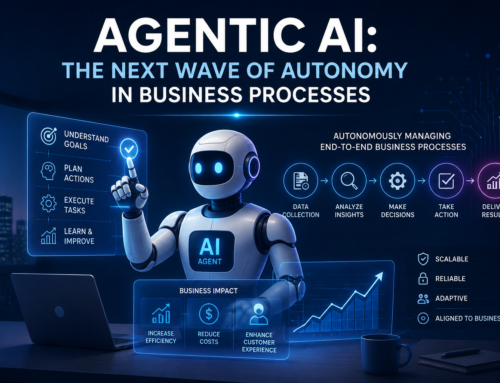
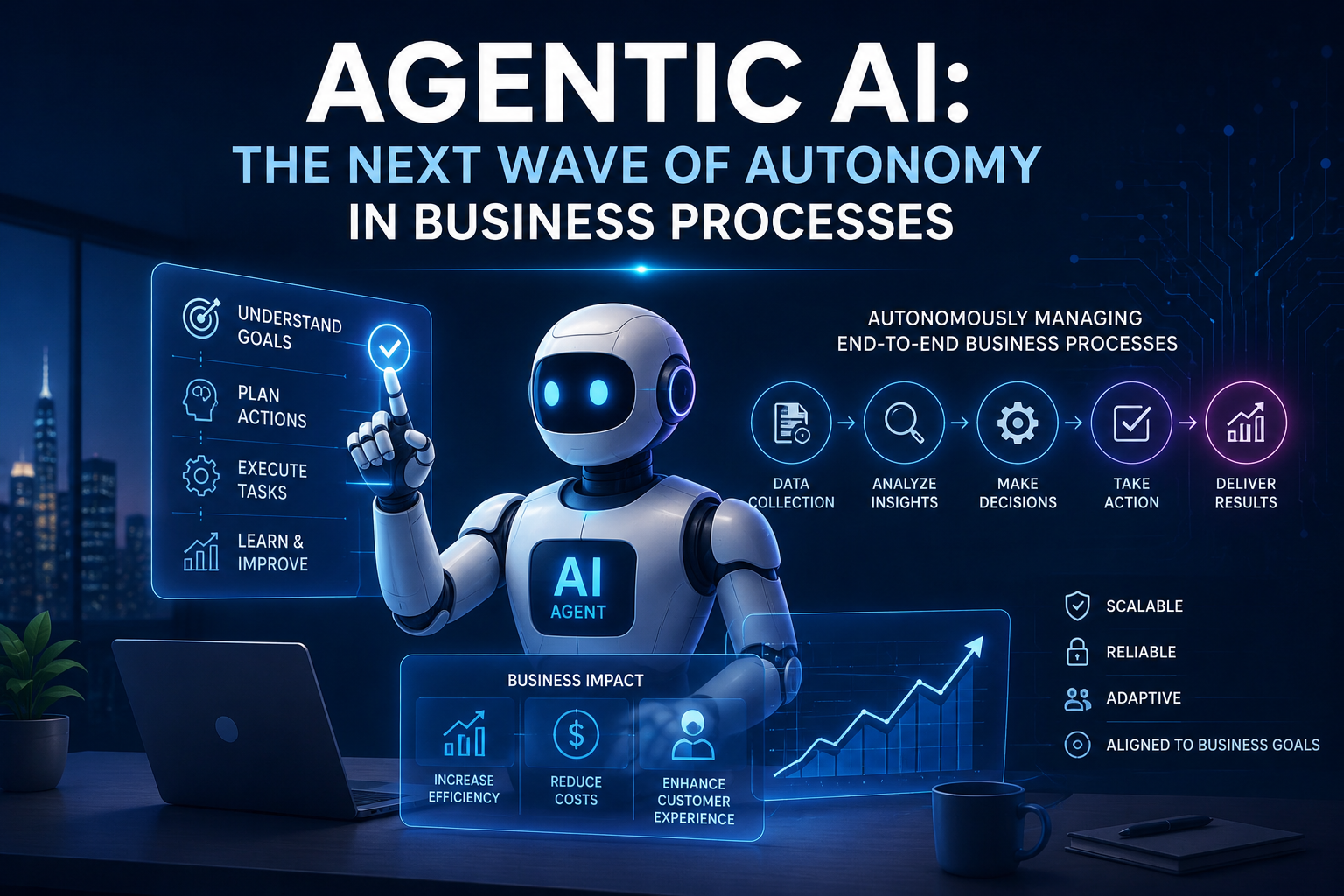
Let’s break this down simply. Traditional AI responds to commands. You ask, it answers. But agentic AI? It acts. It plans. It executes tasks independently.
Think of it like the difference between a calculator and a personal assistant. A calculator waits for input. An AI agent anticipates your needs.
These systems can break down complex goals into smaller tasks, execute them, and adapt along the way. For example, instead of asking AI to “write an email,” you might say, “Manage my client communications.” The AI agent handles everything—from drafting to scheduling to follow-ups.
Real-World Applications of Autonomous Systems
Agentic systems are already being integrated into workplaces and personal life. Businesses are using them to automate workflows, customer service, and even decision-making processes.
Here’s where it gets interesting: these systems don’t just follow instructions—they learn continuously. That means the more they work, the better they get. It’s like hiring an employee who improves every single day without training costs.
From managing supply chains to optimizing marketing campaigns, AI agents are becoming indispensable. And in your personal life? They’re quietly becoming your digital co-pilot.
AI Moving Beyond Screens into the Physical World
Robotics and Smart Machines
One of the biggest breakthroughs in 2026 is AI stepping out of the digital world and into the physical one. We’re talking about robots that can move, adapt, and interact like humans.
Recent developments show major companies investing heavily in humanoid robotics, aiming to create machines that can understand and predict human behavior in real environments . These aren’t factory robots stuck on assembly lines—they’re flexible, intelligent systems designed for homes, healthcare, and service industries.
Imagine a robot that can cook, clean, or assist elderly family members. That’s no longer decades away—it’s actively being developed right now.
AI in Homes and Daily Life
AI is becoming ambient—meaning it’s everywhere, but invisible. Your home will soon be filled with smart systems that don’t just respond but anticipate.
Lights that adjust based on mood. Refrigerators that suggest recipes. Security systems that predict risks before they happen. These aren’t isolated gadgets—they’re interconnected ecosystems powered by AI.
According to recent research, AI is rapidly moving into physical environments, shaping how we live, work, and interact with technology . It’s not just about convenience—it’s about creating a seamless lifestyle.
Domain-Specific AI Models Changing Industries
What Are DSLMs?
Generic AI is powerful—but not always precise. That’s where Domain-Specific Language Models (DSLMs) come in.
These models are trained for specific industries—like healthcare, finance, or law. Instead of being “good at everything,” they’re excellent at one thing.
Experts predict that by 2028, more than half of enterprise AI models will be domain-specific . That’s a massive shift.
Industry-Specific Transformations
Here’s how DSLMs are transforming industries:
| Industry | Impact of AI |
|---|---|
| Healthcare | Faster diagnosis, personalized treatment |
| Finance | Fraud detection, predictive analytics |
| Legal | Automated case research |
| Retail | Personalized shopping experiences |
These models reduce errors, improve efficiency, and deliver better outcomes. It’s like having a specialist instead of a generalist.
AI Supercomputing and Hardware Breakthroughs
Next-Gen AI Infrastructure
Behind every smart AI system is powerful hardware. In 2026, we’re seeing the rise of AI supercomputing platforms—systems that combine CPUs, GPUs, and specialized chips to handle massive workloads .
These platforms enable faster processing, better accuracy, and more complex AI capabilities. Think of them as the engines powering the AI revolution.
Faster, Cheaper, and More Efficient AI
Here’s the game-changer: AI is becoming cheaper to run. Advances in hardware and optimization are reducing costs dramatically, making AI accessible to businesses of all sizes.
This is crucial. Because technology doesn’t change the world unless people can afford it.
Lower costs mean more adoption. More adoption means more innovation. And that creates a cycle of rapid progress.
AI in Healthcare and Scientific Discovery
AI-Powered Labs and Automation
Imagine a laboratory that runs experiments 24/7 without human intervention. That’s exactly what’s happening.
AI-driven labs are being developed to accelerate scientific discovery, using robotics and intelligent systems to test and analyze materials at unprecedented speed .
This could lead to breakthroughs in medicine, energy, and technology faster than ever before.
Personalized Medicine and Diagnostics
AI is also transforming healthcare on a personal level. Instead of one-size-fits-all treatments, doctors can now tailor therapies based on your unique data.
From early disease detection to customized treatment plans, AI is making healthcare more precise and effective.
Cybersecurity Powered by AI
Predictive Threat Detection
Cybersecurity is no longer reactive—it’s predictive. AI systems can now detect threats before they happen, analyzing patterns and anomalies in real time.
Recent innovations highlight how AI is being used to anticipate and prevent cyberattacks, rather than simply responding to them .
AI vs AI in Security Battles
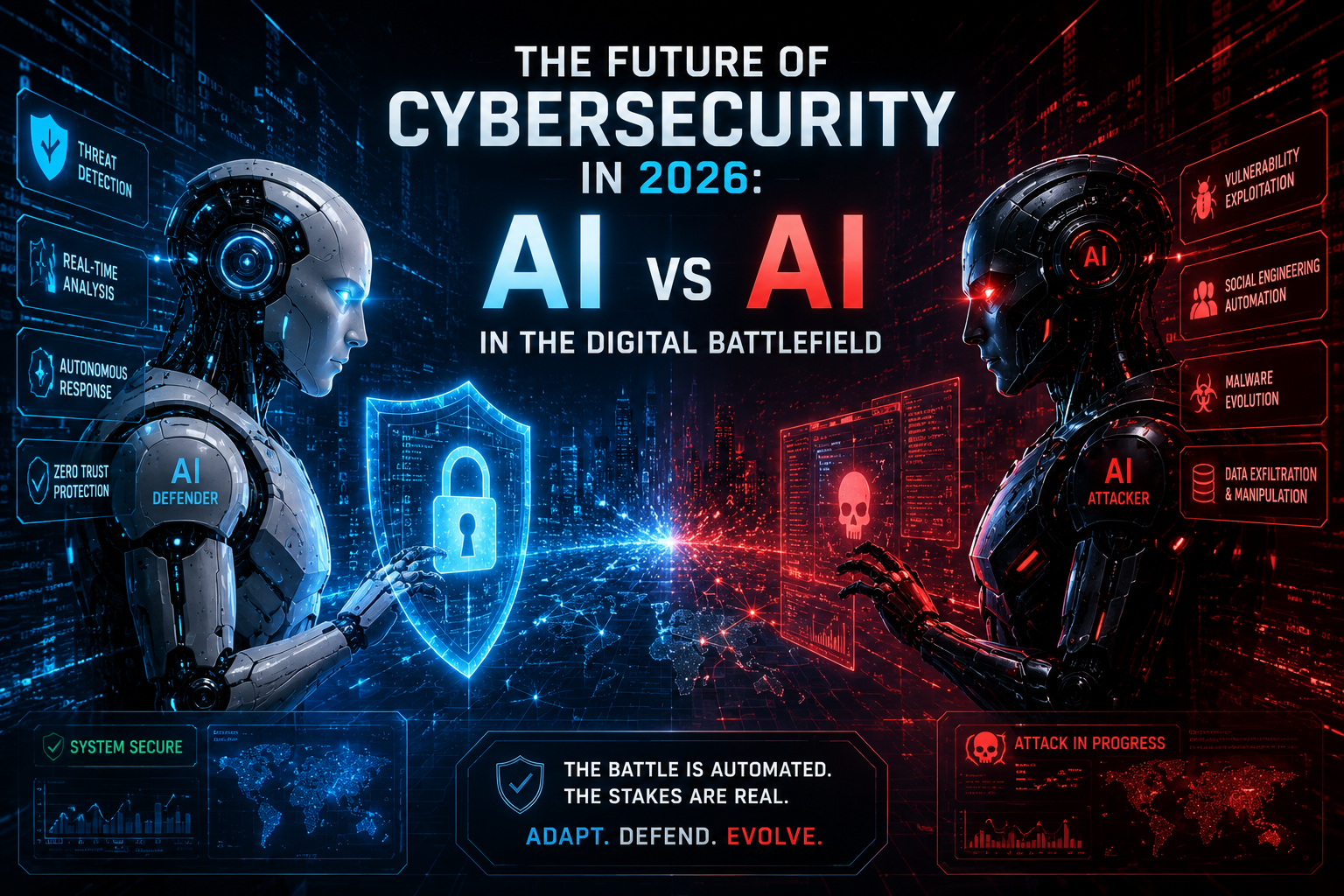
Here’s the twist: hackers are also using AI. That means cybersecurity is becoming an AI vs AI battlefield.
The advantage? Defensive systems are evolving faster, using machine learning to stay ahead of threats.
AI in Transportation and Smart Cities
Autonomous Vehicles
Self-driving cars are no longer experimental—they’re becoming reality. AI-powered vehicles can navigate, adapt, and make decisions in real time.
This could reduce accidents, improve traffic flow, and make transportation more efficient.
Urban Intelligence Systems
Cities are becoming smarter. AI is optimizing traffic, energy usage, and public services.
Imagine a city that adjusts itself based on real-time data—that’s the future we’re moving toward.
Ethical Challenges and AI Governance
Risks and Concerns
With great power comes great responsibility. AI raises serious ethical questions—privacy, bias, and control.
As AI systems become more autonomous, ensuring they align with human values becomes critical.
Global AI Regulations
Governments are stepping in, creating policies to regulate AI development and usage.
The challenge is balancing innovation with safety—a delicate but necessary task.
Future Outlook: What Comes Next?
AI and Human Collaboration
AI isn’t replacing humans—it’s augmenting them. The future is about collaboration, where humans and AI work together.
Think of AI as a partner, not a competitor.
Preparing for an AI-Driven World
Adapting to this new reality requires learning new skills, embracing change, and staying informed.
The question isn’t whether AI will transform your life—it’s how ready you are for it.
Conclusion
AI in 2026 isn’t just evolving—it’s transforming everything. From smart homes and autonomous systems to healthcare breakthroughs and intelligent cities, the impact is profound and far-reaching. The shift from theory to real-world application marks a new era where AI becomes an integral part of daily life.
The real opportunity lies in understanding and adapting to these changes. Those who embrace AI will thrive. Those who ignore it may struggle to keep up.

Leave A Comment