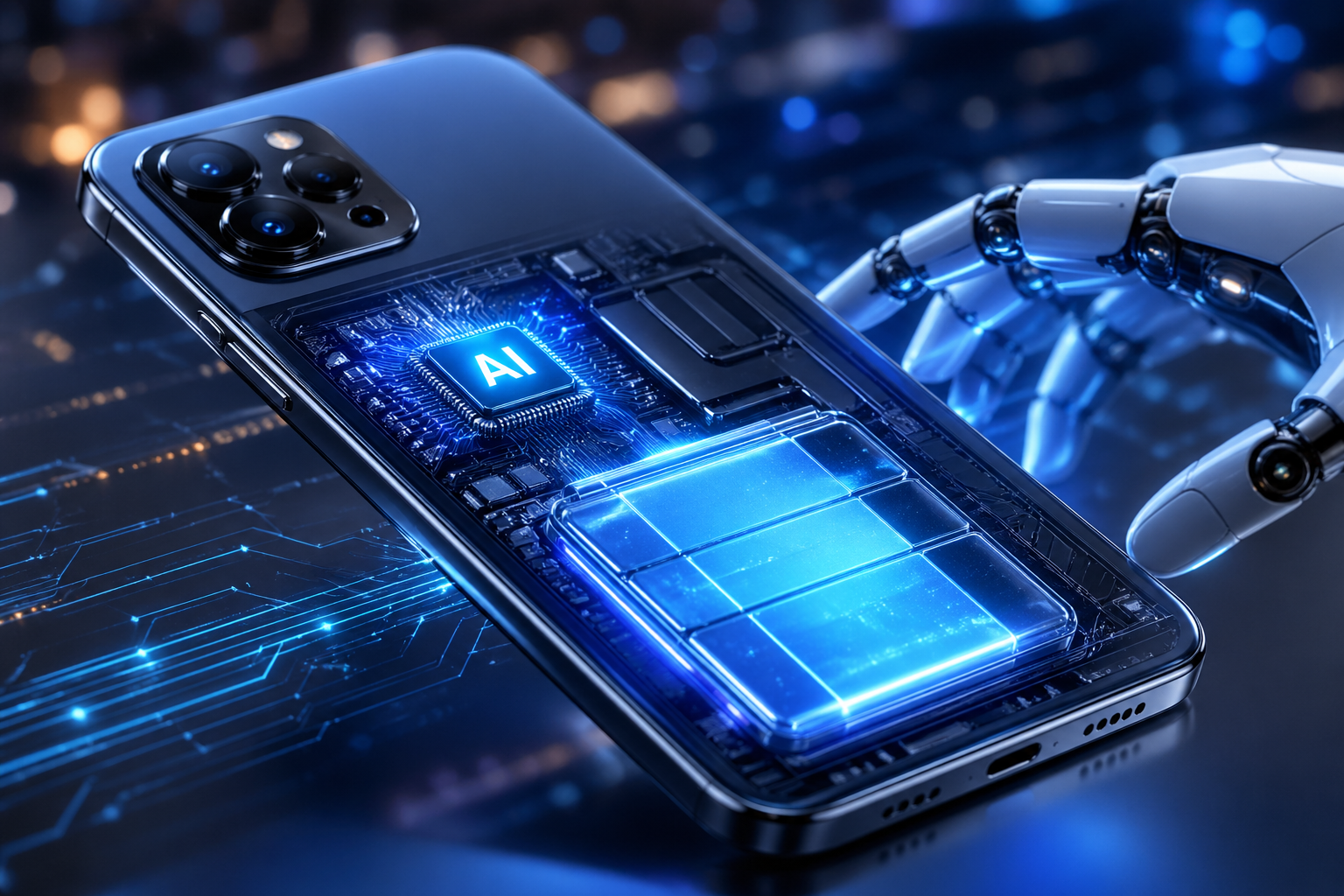
The way humans interact with technology is undergoing a structural shift that feels as significant as the arrival of smartphones. In 2026, the center of digital life is no longer the app icon grid; it is the AI agent that sits on top of everything else and executes tasks on demand. Instead of manually switching between apps, users increasingly describe what they want in plain language, and intelligent systems handle the rest—booking, analyzing, designing, communicating, and even negotiating.
This shift is not cosmetic. It is architectural. The traditional app ecosystem was built on the idea that humans navigate software tools. The emerging agent ecosystem is built on the idea that software navigates tools for humans. That inversion changes everything—from user experience design to business models to how developers build products.
Tech companies are aggressively moving toward this agent-first world. Reports across the industry in 2025–2026 consistently show rapid adoption of AI assistants embedded in operating systems, browsers, and enterprise tools. What used to require multiple apps now happens in a single conversational flow.
To understand why apps are being replaced, it is necessary to break down what AI agents actually are, how they work, and why they are becoming the default interface for computing.
What Are AI Agents?
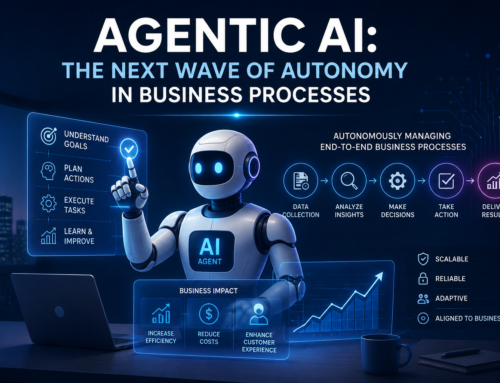
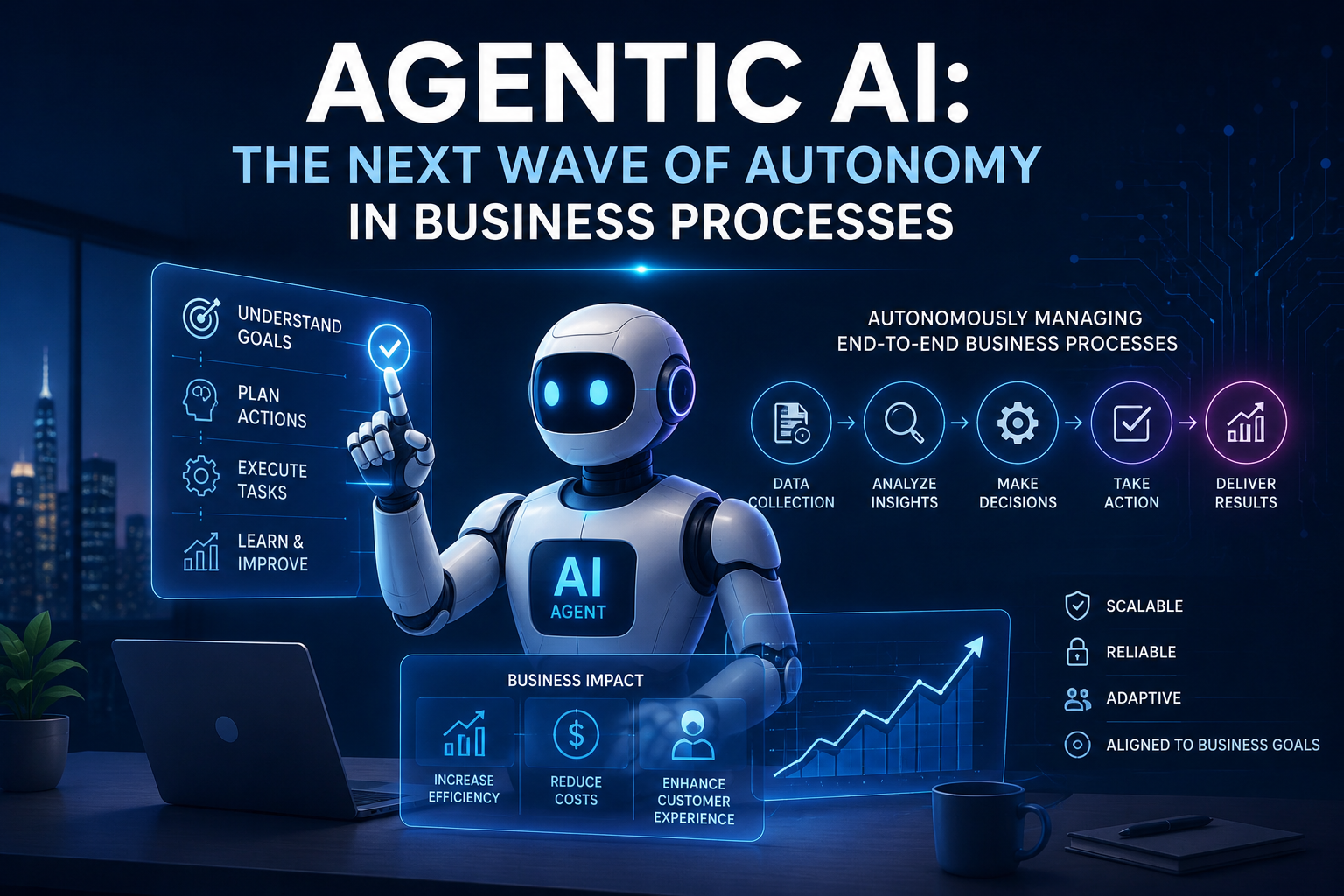
AI agents are autonomous software systems that can understand goals, plan actions, and execute tasks using external tools and services. Unlike traditional chatbots that only respond with text, agents actively perform operations in digital environments.
At a basic level, you can think of an AI agent as a digital worker. You give it an objective like “plan a business trip to Dubai under $1,500,” and it breaks that into subtasks such as searching flights, comparing hotels, checking schedules, and finalizing bookings. Instead of asking you for every step, it makes decisions within defined boundaries.
The key difference is agency. Traditional software is passive; it waits for user input. AI agents are proactive within constraints. They decide sequences of actions, call APIs, and coordinate across systems.
How They Differ from Chatbots
Chatbots are reactive. They answer questions. AI agents go further—they execute workflows. A chatbot might tell you how to book a flight. An AI agent actually books it.
Another difference is memory. Agents retain context across tasks, meaning they understand long-term goals. If you previously told an agent you prefer aisle seats and budget airlines, it applies that knowledge automatically in future bookings.
Why Agents Can Take Action
AI agents integrate with external tools through APIs and standardized frameworks. They can interact with calendars, email systems, payment gateways, databases, and enterprise software. This allows them to function like orchestration layers across digital ecosystems.
The result is a shift from “using apps” to “delegating outcomes.”
Why Traditional Apps Are Losing Their Dominance
The app model worked well for a decade because it matched human cognition at the time: one task, one interface. But modern digital life is not linear anymore. Users don’t want ten different applications to complete one goal.
Too Many Apps, Too Much Friction
The average smartphone user now manages dozens of apps. Each app has its own login system, interface logic, and learning curve. Even simple tasks—like organizing travel—require jumping between airline apps, hotel platforms, payment services, and messaging tools.
This fragmentation creates cognitive overload. Users spend more time navigating software than achieving outcomes. AI agents eliminate this friction by acting as a unified layer.
The Rise of Natural Language Interfaces
Natural language has become the new UI standard. Instead of tapping buttons, users describe intent. This removes the need to learn software entirely.
When interaction becomes conversational, apps lose their uniqueness as interfaces. They become backend services instead. In this model, users no longer care which app is used—they only care about the result.
The shift is similar to how graphical user interfaces replaced command lines. Now, conversational agents are replacing graphical interfaces.
The Big Tech Race to Own the Agent Layer
Every major technology company is racing to control the “agent layer,” which sits above apps and operating systems.
OpenAI Workspace Agents
OpenAI is focusing on deeply integrated agents that can operate across productivity tools, browsing environments, and enterprise systems. These agents are designed to function like digital coworkers, capable of executing complex multi-step workflows.
Google Gemini Enterprise Agents
Google is embedding agents into its ecosystem, connecting search, Gmail, Drive, and Android. The goal is to turn the entire Google ecosystem into a single intelligent interface where users issue commands instead of navigating services.
Microsoft Copilot Agents
Microsoft is pushing AI agents into Office workflows, Azure infrastructure, and enterprise environments. These agents are especially focused on productivity automation, such as generating reports, analyzing data, and managing communication pipelines.
Anthropic Managed Agents
Anthropic is prioritizing safe, controllable agents designed for enterprise reliability. Their systems emphasize structured reasoning and oversight, making them suitable for regulated environments.
The competition is not about apps anymore—it is about who controls the interface between humans and digital systems.
How AI Agents Work Behind the Scenes
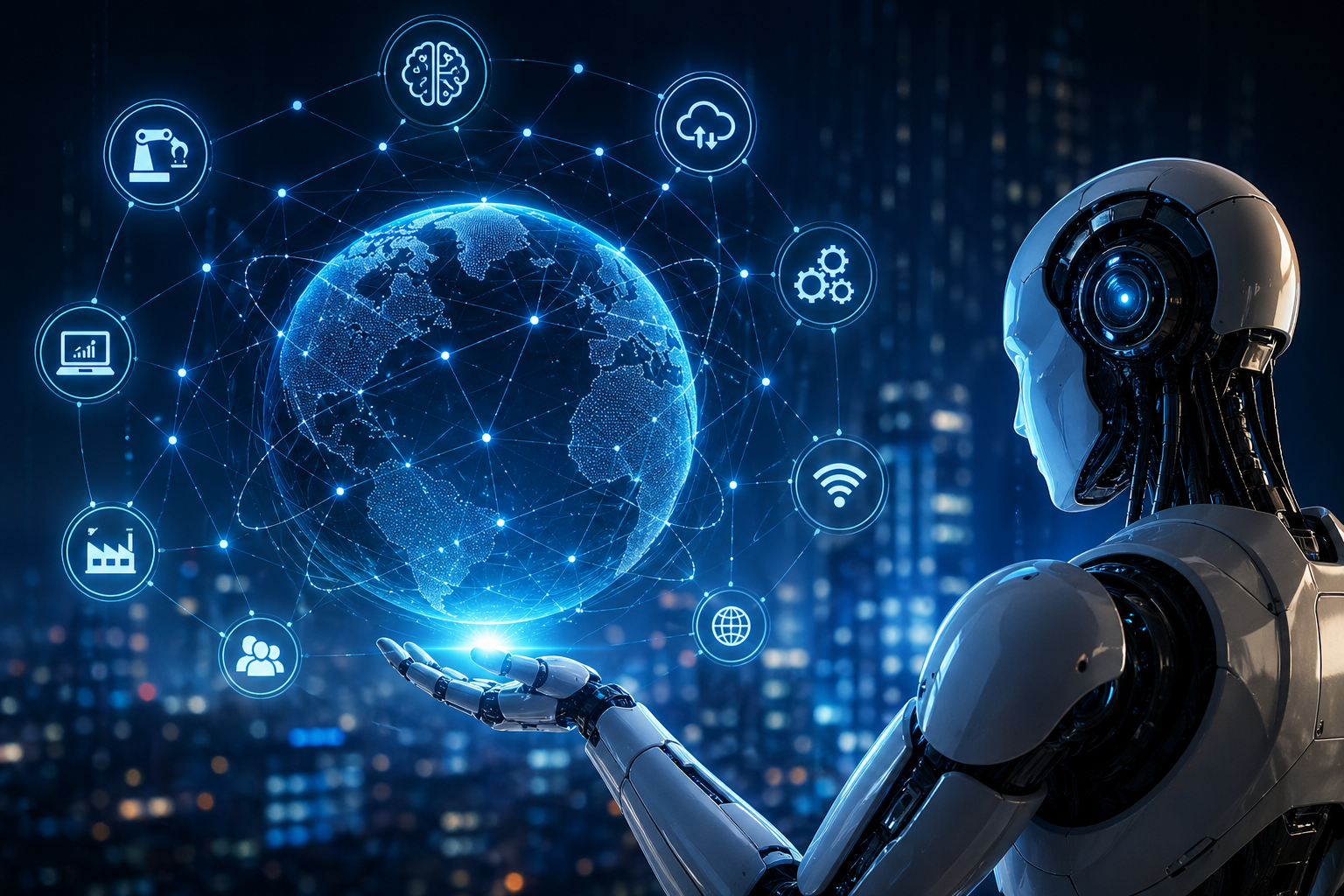
AI agents rely on a combination of reasoning models, tool integrations, and memory systems.
Memory, Tools, and Reasoning
Agents typically operate using three core components:
- Memory: Stores user preferences and past interactions
- Tools: External systems like APIs, databases, and applications
- Reasoning engine: Breaks down tasks into executable steps
This combination allows agents to simulate planning behavior. They do not just respond—they construct workflows.
Standards Like MCP and A2A
To enable interoperability, new standards such as Model Context Protocol (MCP) and Agent-to-Agent (A2A) communication frameworks are emerging. These allow different AI systems to communicate and coordinate actions across platforms.
This is critical because agents must operate in a fragmented digital ecosystem. Without standards, they would be isolated. With standards, they become universal orchestrators.
Real-World Use Cases in 2026
AI agents are no longer experimental. They are embedded in daily workflows.
Personal Productivity
Users now rely on agents to manage emails, schedule meetings, summarize documents, and even prioritize tasks. Instead of opening multiple productivity apps, users delegate entire workflows.
Business Automation
Companies are deploying agents for customer support, analytics, HR onboarding, and supply chain optimization. A single agent can replace multiple SaaS tools by connecting them into unified workflows.
Shopping and Travel
Agents are increasingly used for purchasing decisions. They compare prices, analyze reviews, and complete transactions automatically. Travel planning, once a multi-hour process, is now completed in minutes through conversational input.
Which Industries Will Change First?
Industries with high software dependency will change fastest. These include:
- SaaS and productivity software
- E-commerce platforms
- Customer service industries
- Finance and accounting tools
- Digital marketing and SEO platforms
In these sectors, apps are being reduced to backend infrastructure while agents take over the user-facing layer.
Risks and Challenges
Despite rapid adoption, AI agents introduce significant challenges.
One concern is loss of user control. When agents execute actions autonomously, users must trust decision-making systems more than before.
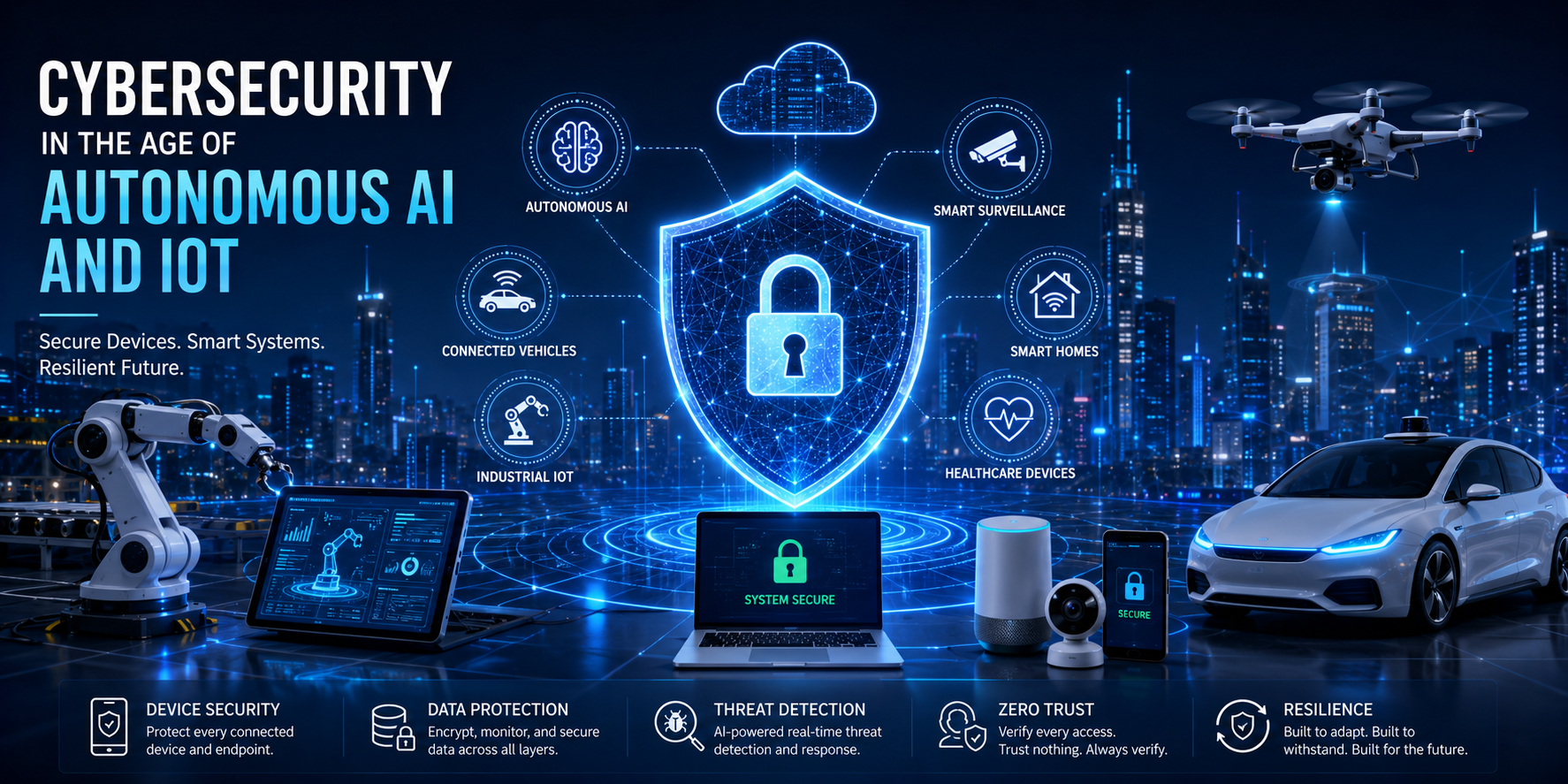
Another issue is security risk. Agents with access to financial or personal systems could be exploited if not properly secured.
There is also the problem of over-automation. Too much reliance on agents may reduce human oversight in critical decisions.
Regulators are beginning to examine these risks, especially in finance, healthcare, and legal sectors.
What This Means for App Developers
For developers, this shift is both disruptive and opportunistic.
Traditional app design is becoming less important. Instead, developers must think in terms of:
- API accessibility
- Agent compatibility
- Workflow automation
- Tool integration layers
Apps that do not integrate with agents risk becoming invisible. The future belongs to services that can be orchestrated by AI systems.
Developers are increasingly building “agent-first” products where the primary interface is not a UI, but an API endpoint.
Will Apps Disappear Completely?
Apps will not disappear entirely, but their role will fundamentally change. Instead of being primary interfaces, they will become specialized service layers behind agents.
Think of apps like engines inside a car. Users don’t interact with engines directly anymore—they interact with the car as a whole. Similarly, users will interact with agents while apps operate in the background.
Some apps will survive as direct tools for professionals who need granular control. But for the majority of users, the agent will become the default gateway.
Conclusion
The transition from apps to AI agents marks a fundamental restructuring of digital interaction. What smartphones did for mobility, AI agents are doing for task execution. The interface is shifting from tapping and swiping to reasoning and delegation.
This change is not incremental. It redefines the relationship between humans and software. Apps become infrastructure, while agents become the experience layer.
The next decade of computing will not be about which apps dominate. It will be about which agents you trust to run your digital life.


Leave A Comment